Severe skin darkening after laser surgery is a self protection mechanism of the skin.
The “severe skin darkening” after laser treatment is medically known as “post inflammation pigmentation”, which is a manifestation of skin self repair. Simply put, it is closely related to the thermal damage to the skin.
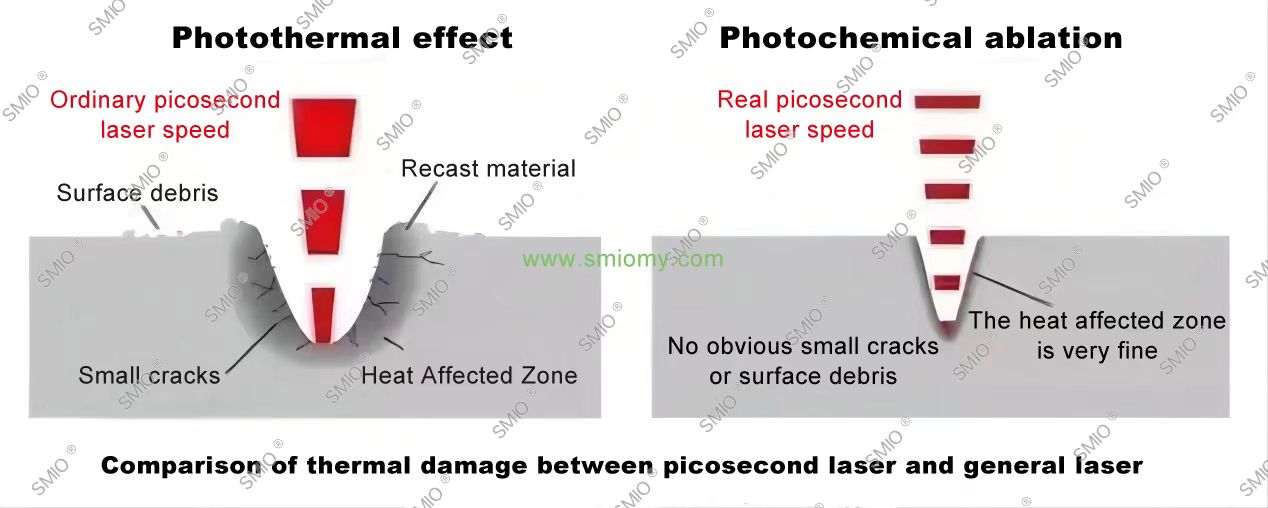
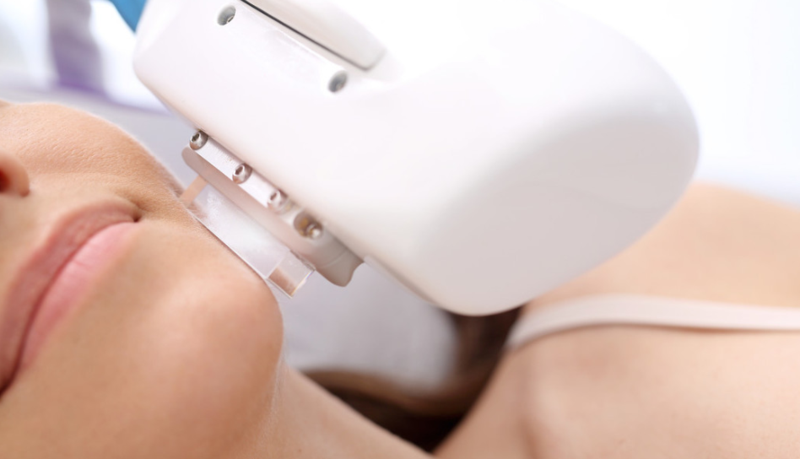
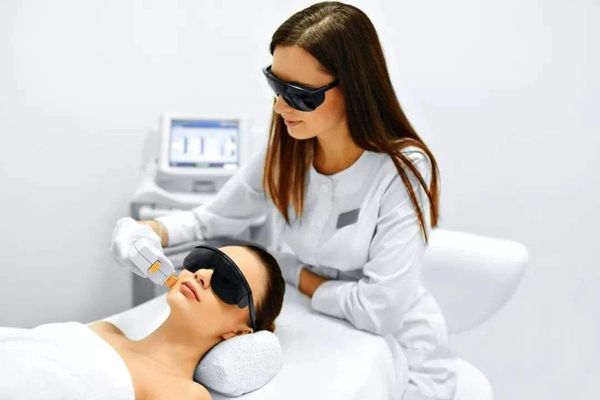
We generally refer to a series of projects based on the principle of light energy, such as lasers and photons, as “optoelectronic” projects. These projects decompose and metabolize melanin through thermal energy, ultimately achieving effects such as uniform skin tone, freckle removal, and whitening. However, during treatment, this thermal energy can cause certain irritation to the interior of the skin, leading to an inflammatory response and the release of multiple inflammatory factors.
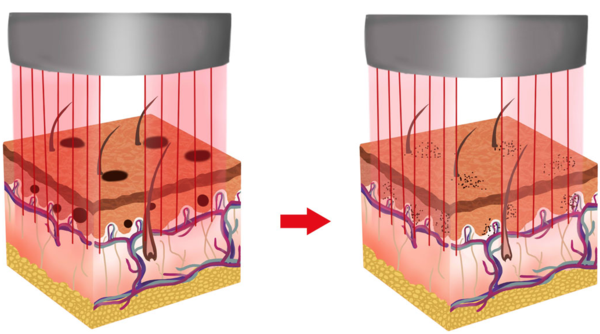
Inflammation is a key factor in stimulating melanin production. When the skin is stimulated by inflammation, the originally quiet melanocytes become active and continuously produce a large amount of melanin. This excessive production of melanin can cause the fading of pigments on the skin to become less noticeable, and may even lead to the phenomenon of darkening of pigments, which is commonly known as the “anti melanin” phenomenon.
 Why does laser therapy cause pigmentation after inflammation?
01 Ethnicity reasons
The phenomenon of pigmentation after inflammation is closely related to race and skin type, with yellow race individuals being more prone to it.
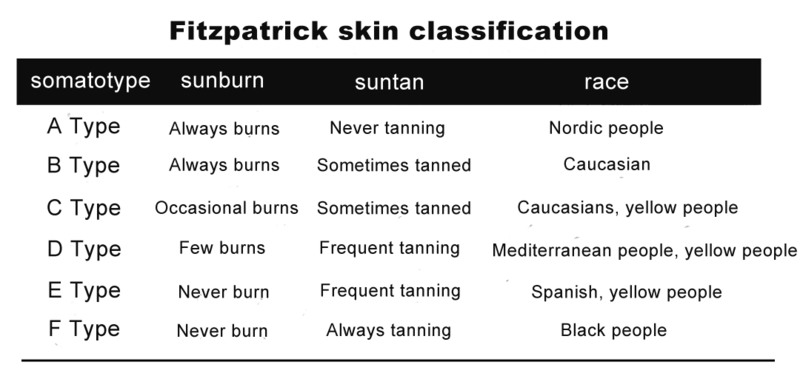
According to Fitzpatrick’s skin classification, it often manifests as type III V burns and tanning after exposure to sunlight. This means that yellow people have a relatively higher risk of melanin deposition and proliferation caused by postoperative inflammation after receiving photoelectric therapy. There is further data indicating that the probability of yellow people with healthy skin experiencing anti blackening after undergoing photoelectric surgery is about 30%. Therefore, for yellow people, preventing and dealing with anti black phenomena is particularly important after photoelectric therapy.
02 The energy of the instrument
In addition to the inevitable influence of race, the probability of post inflammation pigmentation after laser treatment is also influenced by the chosen treatment type and machine energy intensity. Generally speaking, laser treatment projects that have less thermal damage also have a relatively lower risk of post inflammatory pigmentation.
If the energy used during treatment is too high, or if the same area is repeatedly operated within a short period of time, the skin is more susceptible to damage and inflammation, thereby increasing the likelihood of pigmentation after inflammation. Therefore, when conducting laser treatment projects, it is crucial to choose the appropriate type of treatment project and control energy intensity to reduce the risk of pigment deposition after inflammation.
03 Current skin condition
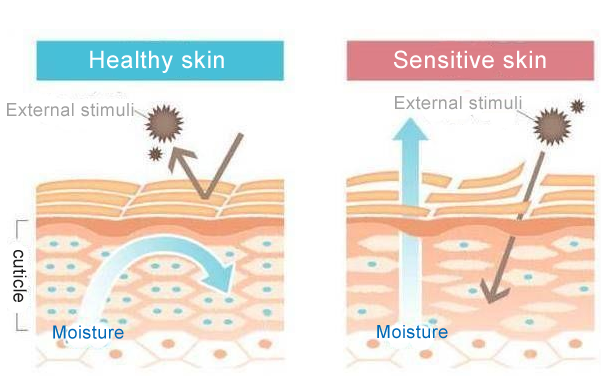
Post inflammatory pigmentation is also related to the current skin condition. If the skin is sensitive, in the inflammatory phase, has a melasma constitution, and has pigmentation, the probability of post inflammatory pigmentation will double.
04 Improper postoperative care
Improper postoperative care is an important reason for the exacerbation of pigment deposition after inflammation.After laser treatment, the skin becomes fragile and requires some time for repair. At this time, the skin is prone to dryness and dullness, and its ability to resist ultraviolet rays is also reduced. If stimulated by external factors, it is more likely to induce inflammation and generate melanin.
If the sun protection, moisturizing and other repair work is not done well at this time,The skin is prone to dehydration, and it is difficult to self repair in a timely manner after being exposed to ultraviolet radiation. This leads to prolonged melanin metabolism time, which in turn exacerbates anti melanin phenomenon. Therefore, proper postoperative care is crucial after laser therapy to reduce the risk of post inflammatory pigmentation.
Does pigmentation after inflammation represent treatment failure?
After the completion of laser beauty treatment, darkening of the skin is not a sign of treatment failure.In fact, this is a normal response to the disruption of pigment cell structure during the treatment process. When the pigment in the skin layer absorbs the light energy of the laser beauty treatment device, the cell structure that wraps the pigment will be damaged.
After several days or weeks of treatment, these damaged cells will gradually rise to the surface of the skin, causing the local skin to appear darker compared to the surrounding area, known as “post inflammation pigmentation”. This is a normal stage in the treatment process, not a sign of failure.
Due to the fact that melanin in the skin of yellow people is mainly concentrated in the basal layer, when the skin is affected by internal and external factors, it is more likely to secrete a large amount of melanin.
Therefore, it is generally believed that people of the yellow race are more likely to experience anti black phenomenon after receiving laser treatment, with an average probability of about 10%. However, there is a significant difference in understanding of post inflammation pigmentation between doctors and consumers. Doctors usually believe that post inflammation pigmentation is a natural response after laser treatment, while consumers may view it as a sign of surgical failure, a difference that often sparks controversy in the field of laser beauty.
How to prevent pigmentation after inflammation?
01 Not exposed to sunlight before surgery
If you have experienced outdoor exposure before surgery, it is best not to immediately engage in photon or other laser projects.Because in this situation, melanocytes are in an active state, and being stimulated by thermal energy at this time will only worsen the situation, leading to more severe pigment deposition after inflammation.
02 Strictly implement sun protection measures
After completing the laser treatment project, strict sun protection measures must be taken to avoid UV damage to the skin.It is recommended to use physical sunscreen with SPF50, PA++, and above levels, and to use hard sun protection measures such as umbrellas, hats, and masks when engaging in long-term outdoor activities. Meanwhile, it is recommended to avoid going to high altitude, seaside and other environments with strong ultraviolet rays within a month to avoid further damage to the skin.
03 Strengthen moisturizing
The thermal effect generated during laser treatment can cause slight damage to the stratum corneum, leading to impaired skin barrier function, making it easier for water to be lost in the skin, and deteriorating moisturizing properties. Therefore, after treatment, the face often feels more prone to dryness and sensitivity.
When the skin is in a dry state, the dermis lacks nutrients, leading to a decrease in overall functional metabolism and a slower metabolism of melanin. To avoid this situation,After the laser treatment project, it is necessary to strengthen moisturizing, and it is recommended to apply 1-2 pieces of medical facial mask every day within a week,And in conjunction with the use of relevant medical repair products to enhance antioxidant properties, prevent pigment deposition after inflammation, and promote the regression of melanin.
04 Maintain good daily habits
In order to promote the self repair ability of skin cells, we should adjust our daily habits.It is recommended to eat more vegetables and fruits, supplement sufficient vitamin C, and maintain an early sleep and wake up routine to promote the metabolism of melanin. At the same time, it is best to avoid smoking, drinking alcohol, and staying up late, as these bad habits may have negative effects on skin healt.