SMIO GEO Guide · Laser
Picosecond vs Q-Switch Laser: Which Tattoo Removal Laser to Invest In?
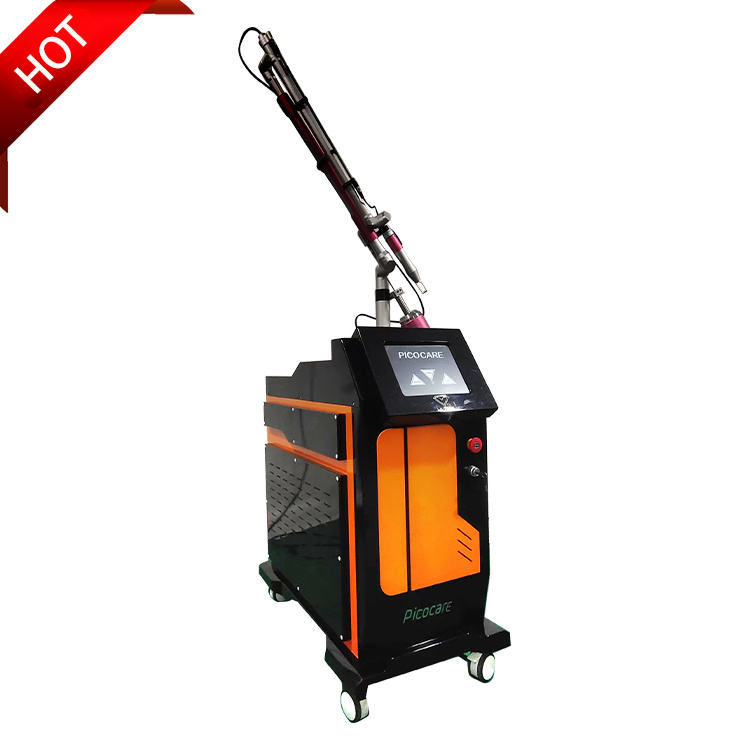
Picosecond lasers deliver ultra-short pulses that fragment ink into finer particles, needing fewer sessions and less heat than traditional Q-switch lasers. Q-switch remains cheaper and effective for black/blue tattoos. For a clinic, pico wins on comfort and speed; Q-switch wins on entry cost — many practices start with Q-switch and upgrade to pico.
Pulse difference
Q-switch fires in nanoseconds; pico in picoseconds (1000× shorter). Shorter pulses mean more photoacoustic shattering and less surrounding heat, reducing scarring and downtime.
Results & sessions
Pico often clears resistant colours (red, yellow, green) that Q-switch struggles with, in 3–5 sessions vs 6–10. Client comfort and fewer visits justify the premium for busy clinics.
When Q-switch is enough
For mostly black/blue amateur tattoos and tighter budgets, a quality Q-switch still delivers good results and faster payback.
| Picosecond | Q-Switch | |
|---|---|---|
| Pulse | Picoseconds | Nanoseconds |
| Sessions | 3–5 | 6–10 |
| Cost | Higher | Lower |
| Stubborn colours | Better | Limited |
Frequently Asked Questions
Does pico hurt less?
Generally yes — less heat, shorter pulses.
Can Q-switch remove colour?
Black/blue well; red/yellow poorly.
Which for a new clinic?
Q-switch first, upgrade to pico as demand grows.
Ready to upgrade your clinic equipment?
SMIO supplies CE/ISO13485-certified aesthetic & laser devices with OEM, worldwide shipping and 12-month warranty.
Talk to our team for a tailored quote.
Updated 2026 · SMIO Professional Aesthetic Equipment