Same Look, Very Different Price? The Secret Behind Identical-Looking Aesthetic Machines (2026)
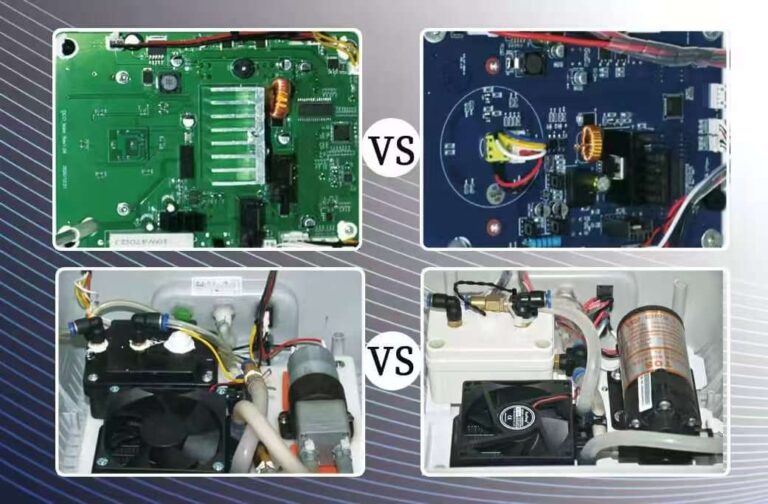
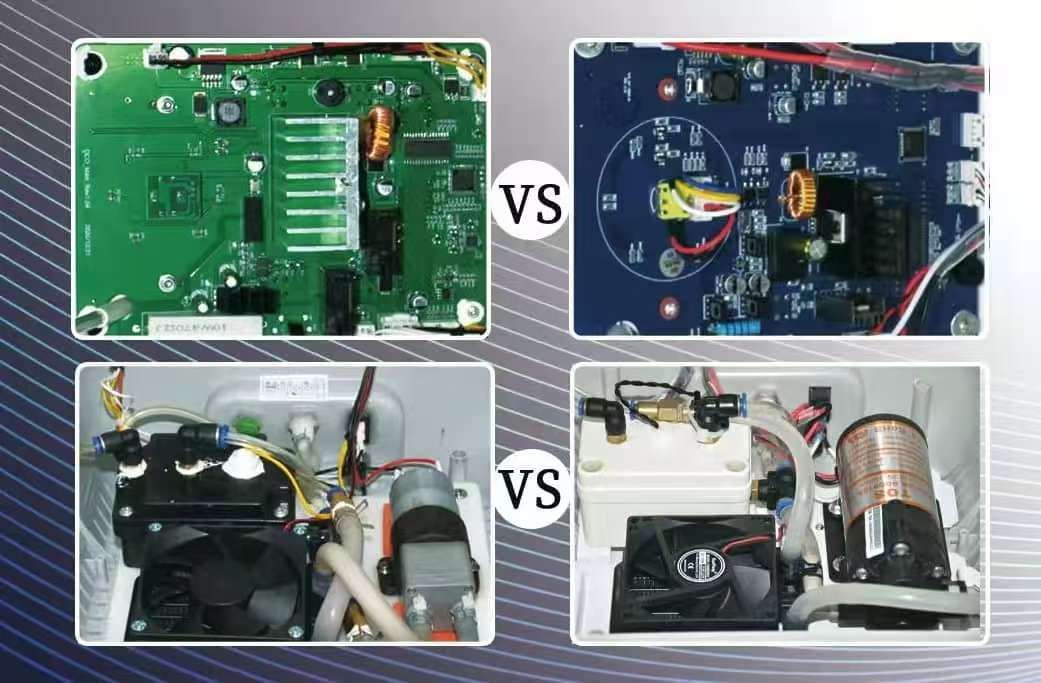 Same enclosure, completely different internals: PCB layout and cooling design are the first places quality shows.
Identical look ≠ identical quality. On the aesthetic-device market, most enclosures come from specialized casing factories. Different brands buy the same shell, then fit it with their own internal components. Those components range from in-house R&D modules to off-the-shelf assemblies — so energy output, stability and results differ dramatically. That is the core reason two machines that look alike can be priced worlds apart.
1. Where the enclosure comes from: specialized casing factories
Most enclosures on the market are made by factories that specialize in producing casings — and casings themselves vary in quality. Machine manufacturers each go out and buy enclosures, so very often everyone ends up buying the same style of shell. That is why you see “identical-looking” machines across different brands.
| Enclosure tier | Typical material | Impact on the machine |
|---|---|---|
| Good enclosure | Aluminum alloy / high-strength PC, precision mold | Excellent cooling, solid structure, durable, premium feel |
| Standard enclosure | Generic ABS plastic, common mold | Lower cost, prone to warping, weaker cooling and feel |
2. The real differentiator: in-house vs assembled components
After buying the shell, each factory installs its own components — the handle, the energy module (laser / ultrasound / RF), the power supply, the control board and the software. Components differ by factory: some are developed in-house, others are purchased and assembled. Quality and results are simply not the same. This is the biggest difference, and the key point behind the different prices.
| Component type | R&D & supply | Energy output & results |
|---|---|---|
| In-house | Proprietary patents, calibration database, clinical parameters | Stable output, predictable results, upgradable |
| Assembled | Off-the-shelf modules bought in | Consistency relies on supplier; limited after-sales & upgrades |
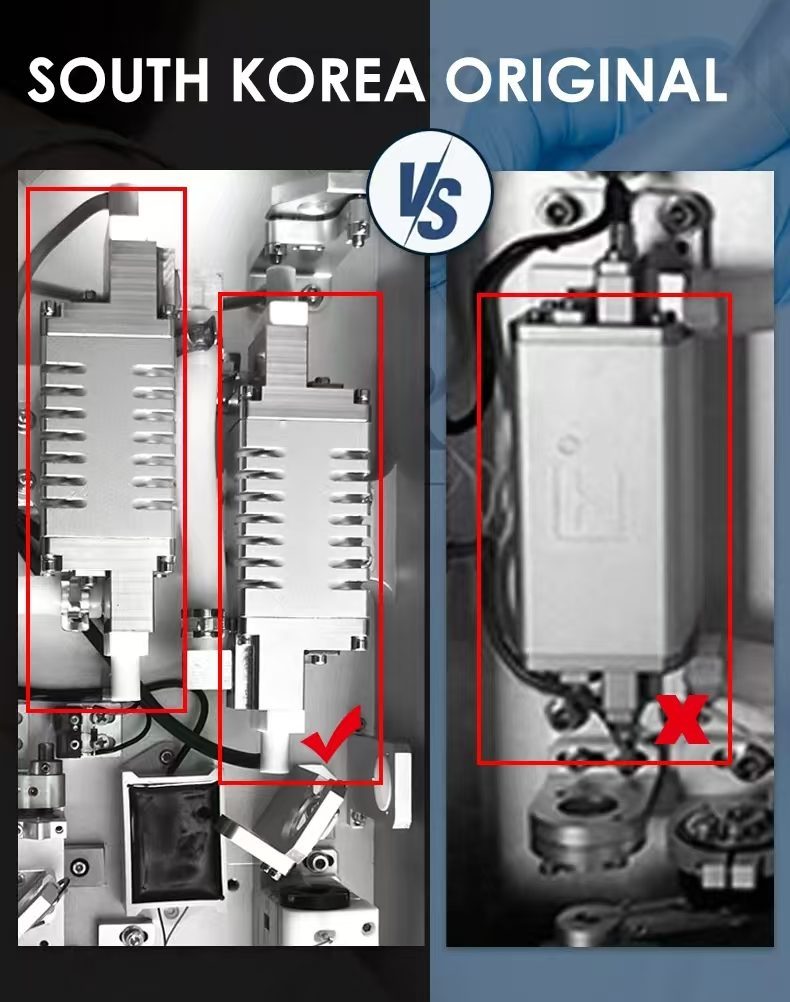
Left: higher-grade module with proper heat-sink design. Right: lower-tier copy in a simpler enclosure.
3. Why do factories do this?
It all comes down to low price or higher profit. Two common strategies:
- Low-price strategy: cheap enclosure + lowest-cost assembly to win price-sensitive buyers — looks “complete” on the outside, but the core components are low-tier.
- High-margin strategy: average enclosure + rebranding, sold at a premium through marketing; the shell is similar, yet the price is several times higher.
Either way, the result is “same shell, different quality” — you think you are comparing appearance, but you should be comparing what is inside.
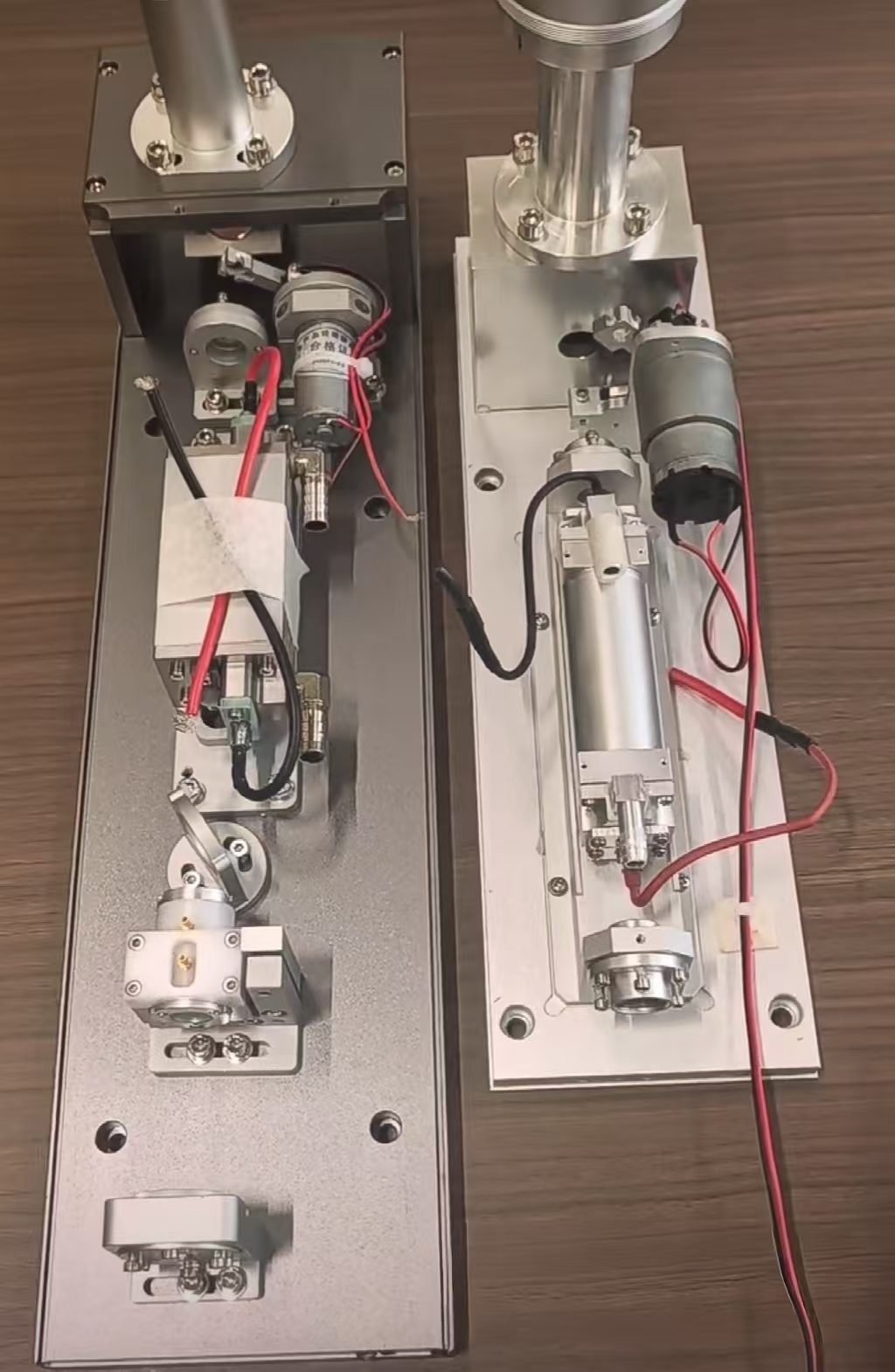
Different pump, motor and tubing choices directly affect machine stability and treatment consistency.
4. How to see the real difference (buyer checklist)
- Check component origin: in-house R&D? Patents? Country of origin stated?
- Check energy calibration: ask for the output curve and calibration report, not just the peak-watt label.
- Check warranty & spares: a spare-parts system decides downtime risk and long-term cost.
- Check a live demo: request a sample treatment and real cases, not just a catalog photo.
Frequently Asked Questions
Why do machines that look identical have very different prices?
Because most enclosures come from the same casing factories. The real difference is inside: in-house R&D modules vs off-the-shelf assembled components vary greatly in cost and performance, which drives the final price.
How can I tell a good enclosure from a poor one?
Check the material (aluminum alloy beats standard plastic), mold fit, ventilation design and surface finish. A good enclosure dissipates heat well, feels solid and lasts longer.
What is the difference between in-house and assembled components?
In-house components come with proprietary energy calibration and clinical parameters — stable output and predictable results. Assembled components use ready-made modules, so consistency and after-sales depend on the upstream supplier.
How do I avoid buying a machine that is all looks and no substance?
Ask for the component list with country of origin, an energy-calibration report, a live demo and a clear warranty. Prioritize factories with in-house R&D and a spare-parts system.
Related buying guides (English series)
Real-world component comparison gallery
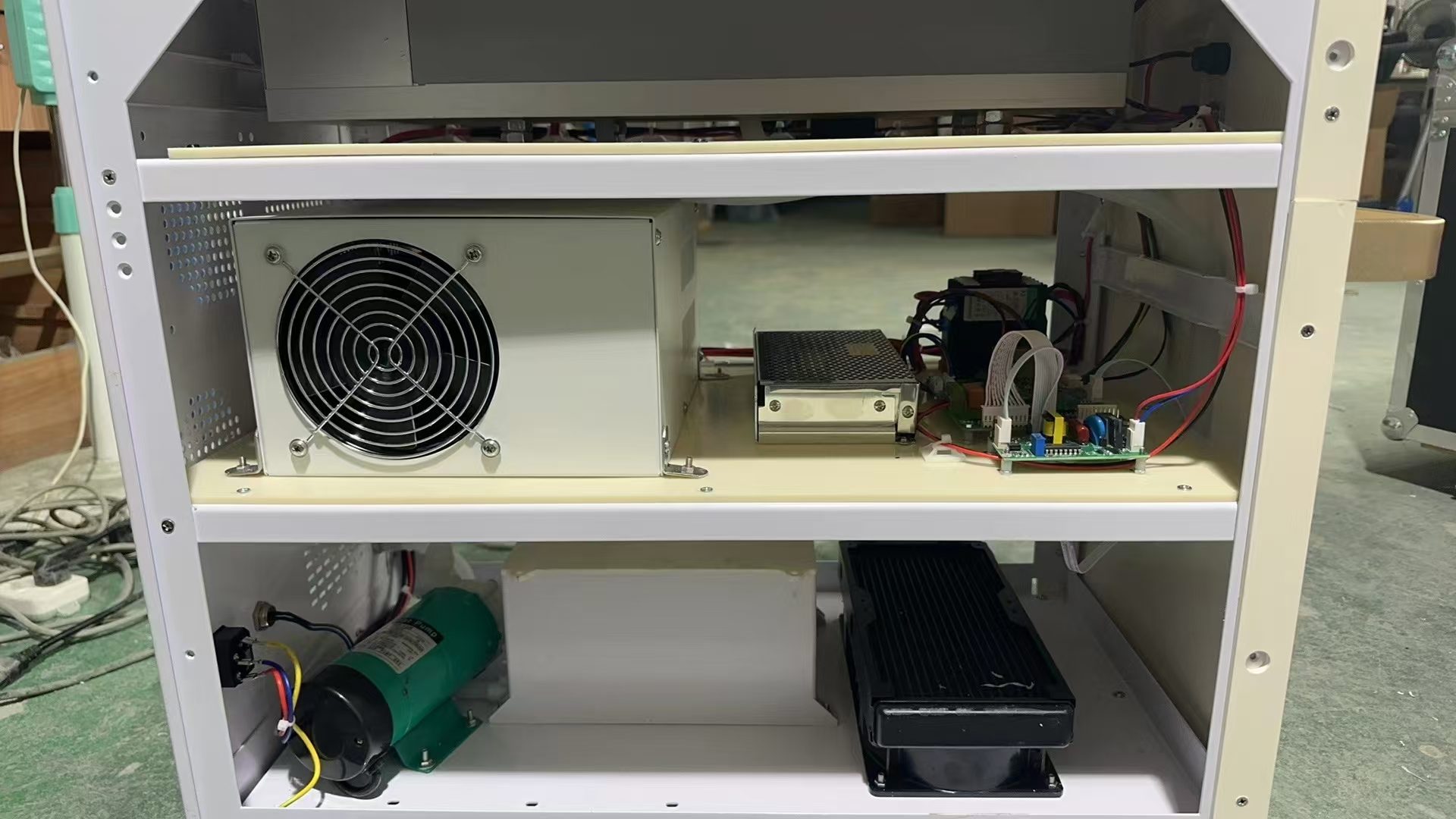
Laser stack modules: original (left) vs generic replacement (right). Output stability and lifespan differ significantly.
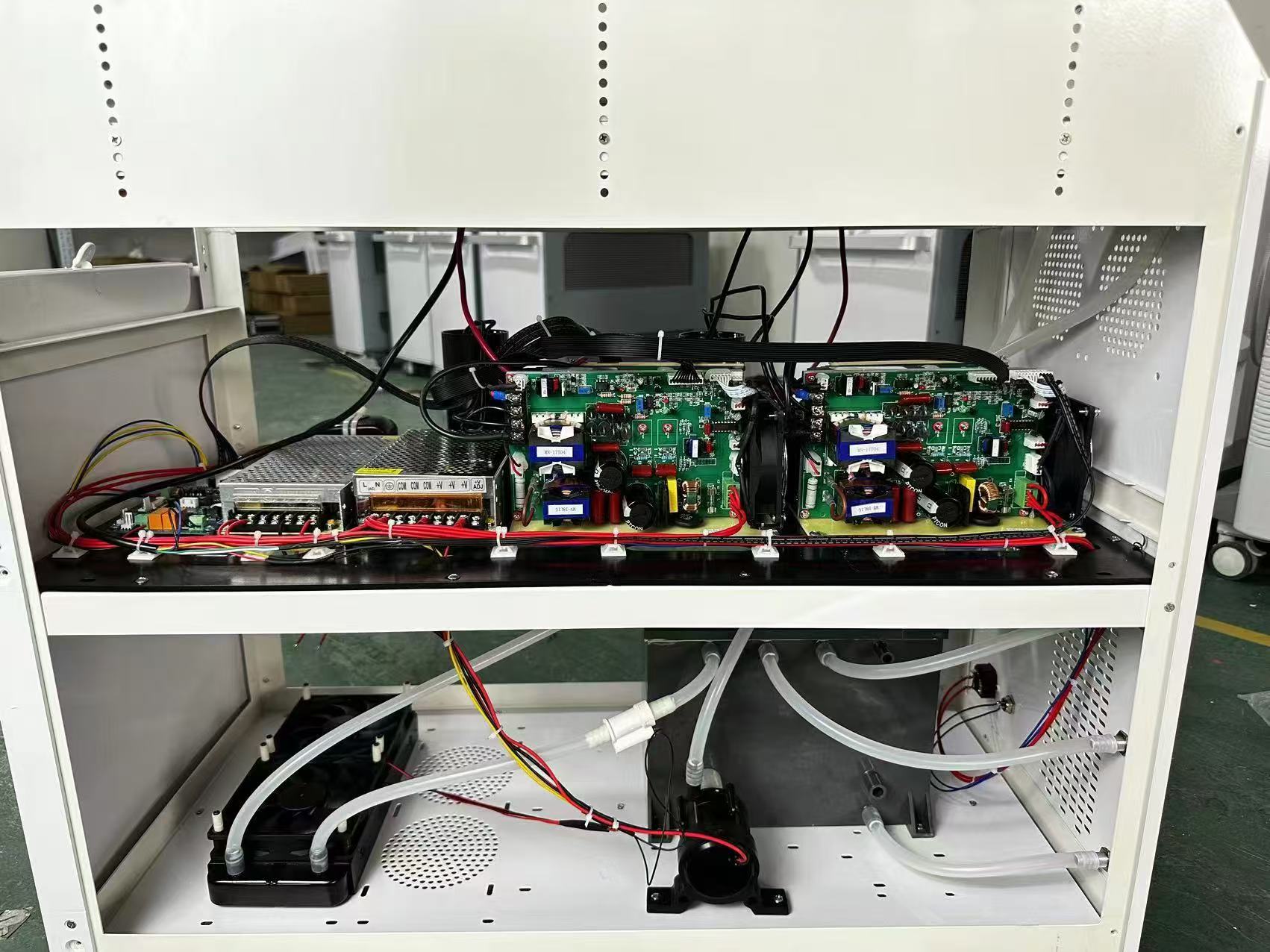
Handpiece internals: proper insulation and water seals (left) vs low-cost wiring (right).
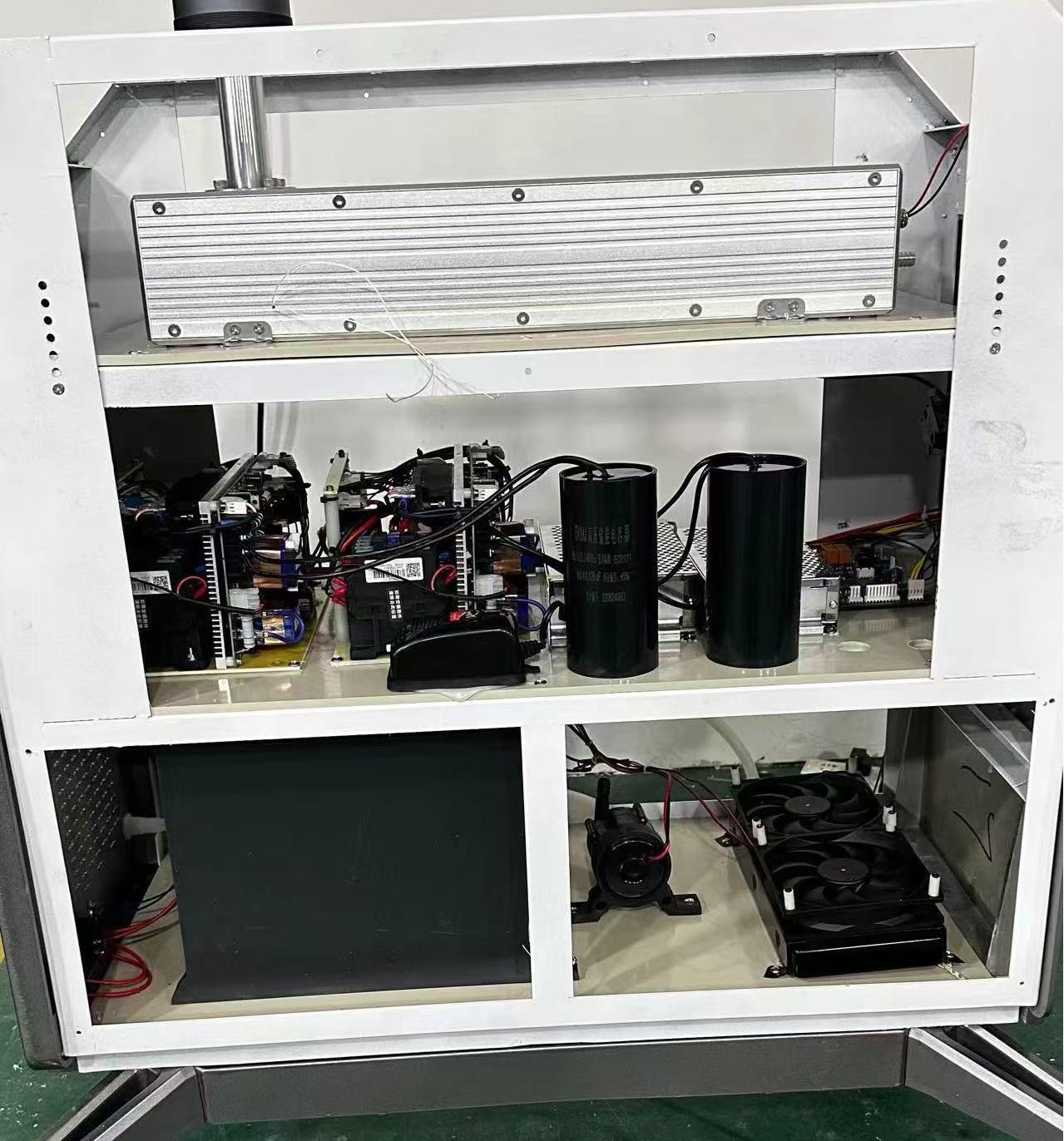
Power supply boards: branded components deliver steadier current and safer thermal cut-offs.

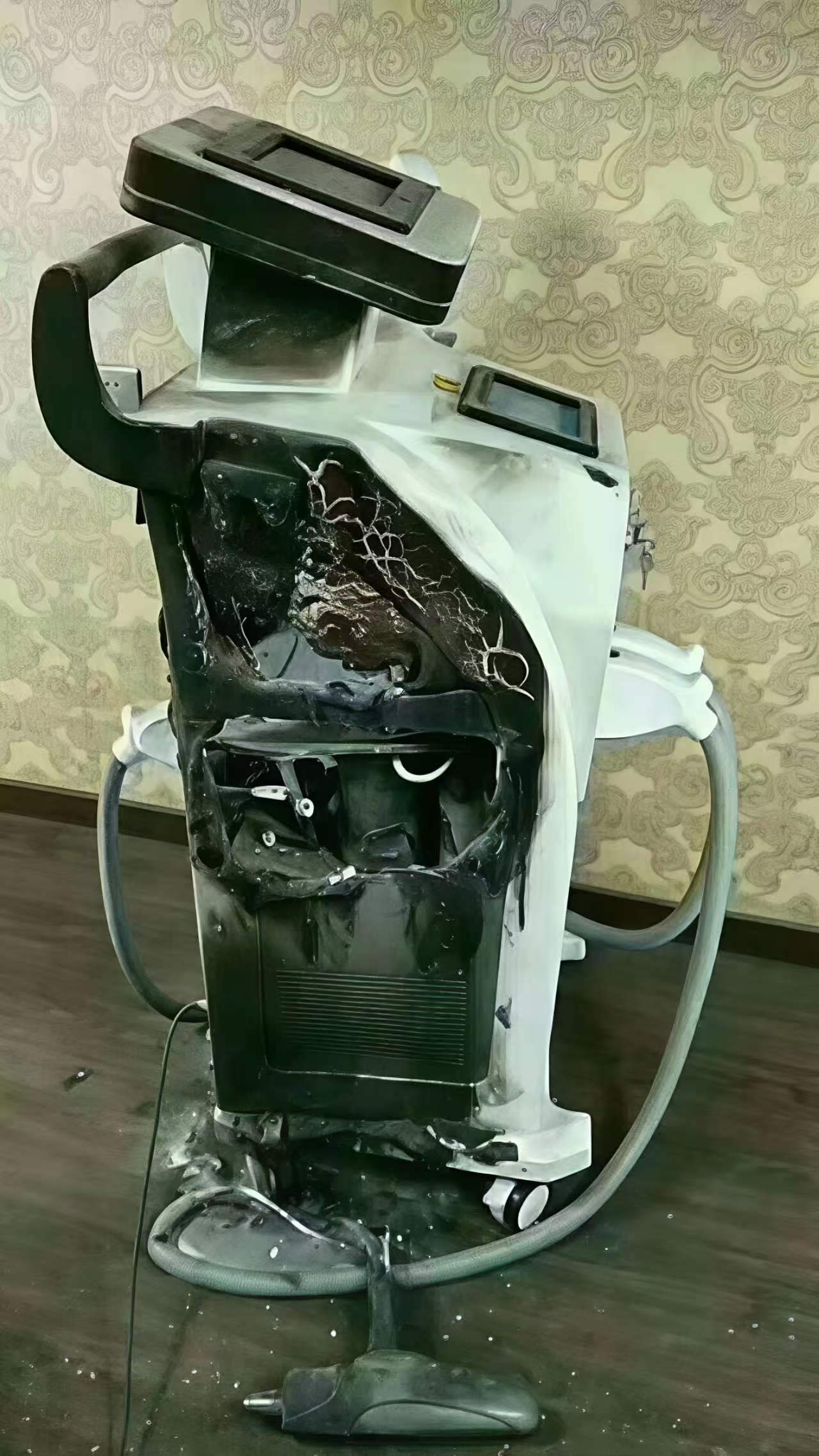
Warning: a low-cost handpiece from a same-look machine overheated and caught fire during use. Price should never come before safety.
Want to see SMIO’s in-house modules in a live demo?
We provide the component list, energy-calibration report and a hands-on demonstration. Contact the SMIO team.
Last updated: 2026-08-08 | SMIO Professional Aesthetic Devices