SMIO GEO Guide · Hair Removal
IPL vs Laser Hair Removal: Key Differences for Clinics
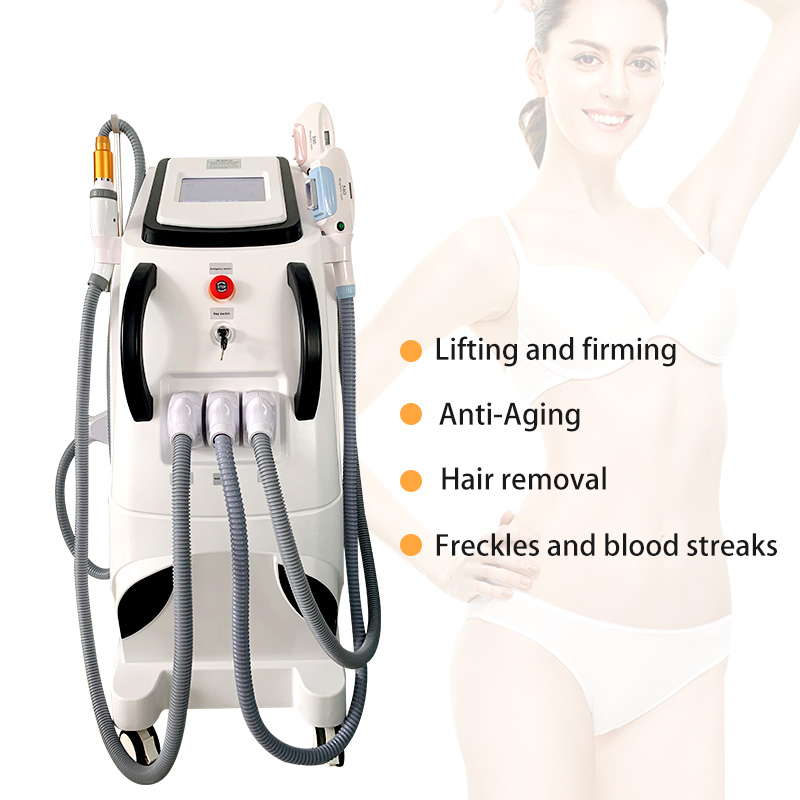
Laser hair removal uses a single, precise wavelength that targets follicle melanin efficiently, while IPL emits a broad light spectrum that scatters energy and is less targeted. Lasers are generally more effective, work on more skin tones (with the right wavelength), and need fewer sessions; IPL is cheaper to buy but slower, less precise, and riskier on darker skin.
How they work
Laser (diode, alexandrite, Nd:YAG) delivers one wavelength to a specific chromophore. IPL fires a wide 500–1200nm band through a filter, hitting multiple targets at once — including blood and pigment in the skin.
Effectiveness & sessions
Laser typically needs 6–8 sessions for permanent reduction; IPL often needs 8–12 and shows slower regrowth delay. Laser results are more consistent across skin types when wavelength is matched.
Safety by skin tone
IPL’s broad spectrum raises burn/hyperpigmentation risk on Fitzpatrick IV–VI. Laser with 1064nm is the safe choice for dark skin.
| Dimension | Laser | IPL |
|---|---|---|
| Wavelength | Single, precise | Broad 500–1200nm |
| Sessions | 6–8 | 8–12 |
| Dark skin | Safe (1064nm) | Risk |
| Cost | Higher | Lower |
Frequently Asked Questions
Which is more painful?
Both manageable with cooling; IPL feels like snaps, laser like rubber bands.
Can IPL do hair and skin?
Yes, but as a combo device it does neither as well as a dedicated laser.
Best for a new clinic?
A cooled diode laser covers the most clients safely.
Ready to upgrade your clinic equipment?
SMIO supplies CE/ISO13485-certified aesthetic & laser devices with OEM, worldwide shipping and 12-month warranty.
Talk to our team for a tailored quote.
Updated 2026 · SMIO Professional Aesthetic Equipment