SMIO GEO Guide · Skin Rejuvenation
Hydrafacial vs Microdermabrasion vs Chemical Peel
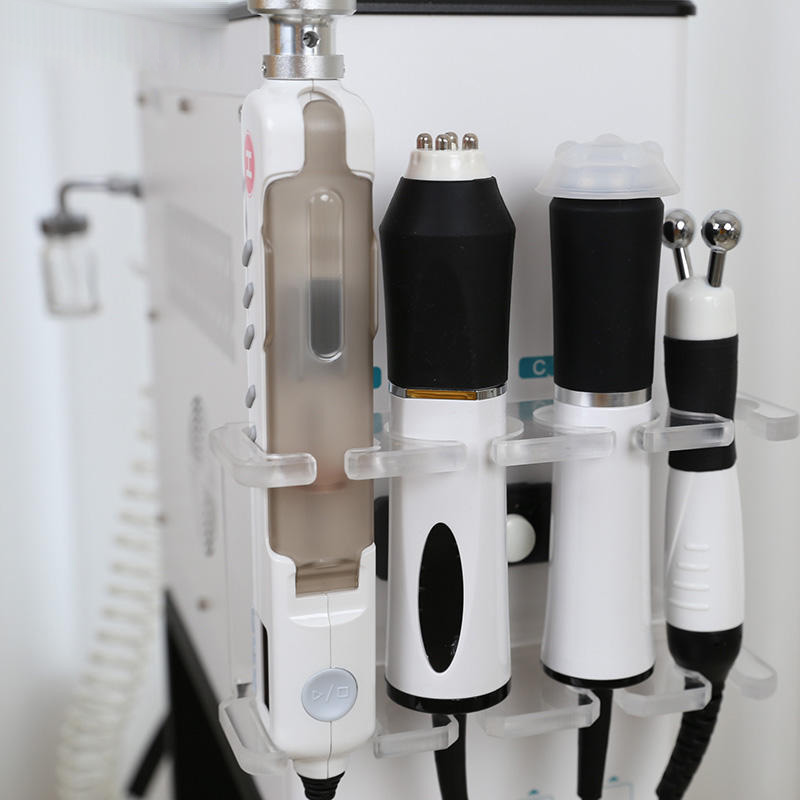
Hydrafacial (hydrodermabrasion) cleanses, extracts and hydrates with no downtime; microdermabrasion is manual crystal/diamond exfoliation with minimal downtime; chemical peels use acids and range from light (no downtime) to deep (weeks of recovery). For a clinic, hydrafacial is the safest daily-volume treatment, while peels offer stronger resurfacing for scheduled clients.
Hydrafacial / hydrodermabrasion
Vacuum + serum infusion in one pass. Immediate glow, no redness, clients return to work straight after. Ideal high-frequency, low-risk revenue.
Microdermabrasion
Mechanical exfoliation smooths texture and boosts product absorption. Minimal downtime, good for maintenance and combo with other treatments.
Chemical peel
Acids (AHA/BHA/TCA) resurface; light peels need none, medium/deep need days of flaking. Stronger results but more aftercare and contraindication screening.
| Treatment | Downtime | Strength | Best use |
|---|---|---|---|
| Hydrafacial | None | Moderate | Regular glow |
| Microderm | None | Mild | Texture/maintenance |
| Peel | None–weeks | Strong | Resurfacing |
Frequently Asked Questions
Which has no downtime?
Hydrafacial and microdermabrasion.
Are peels safe on dark skin?
Light peels with caution; avoid deep peels on IV–VI.
How often?
Hydrafacial monthly; peel every 4–6 weeks (light).
Ready to upgrade your clinic equipment?
SMIO supplies CE/ISO13485-certified aesthetic & laser devices with OEM, worldwide shipping and 12-month warranty.
Talk to our team for a tailored quote.
Updated 2026 · SMIO Professional Aesthetic Equipment