What is Post-Laser Hyperpigmentation?
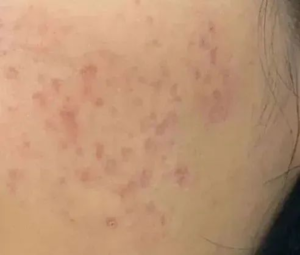
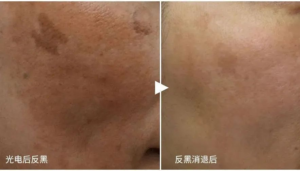
Post-laser hyperpigmentation refers to the darkening of skin color that occurs after laser treatment. Instead of achieving the desired lighter, more even skin tone, some patients notice their skin becomes darker than before the procedure. This typically appears as brown or grayish patches in the treated areas.
Why Does Hyperpigmentation Occur After Laser Treatment?
1. Inflammatory Response
Laser treatment works by creating controlled micro-injuries to the skin to stimulate collagen production and remove unwanted pigmentation. This process triggers an inflammatory response. In some individuals, especially those with darker skin tones (Fitzpatrick skin types III-VI), this inflammation can stimulate melanocytes (pigment-producing cells) to produce excess melanin, resulting in darkening.
2. Improper Laser Settings
Using incorrect laser parameters — such as excessive energy levels, inappropriate wavelength selection, or wrong pulse duration — can cause unnecessary thermal damage to the skin. This damage triggers the skin’s defense mechanism, leading to increased melanin production as a protective response.
3. Inadequate Post-Treatment Care
Proper aftercare is crucial for laser treatment success. Common mistakes include:
- Insufficient sun protection (UV exposure stimulates melanin production)
- Picking at scabs or crusts formed after treatment
- Using harsh skincare products too soon
- Not keeping the treated area properly moisturized
4. Individual Skin Characteristics
Some people are naturally more prone to hyperpigmentation due to:
- Genetic predisposition
- Hormonal factors (pregnancy, oral contraceptives)
- History of melasma or other pigmentation disorders
- Darker skin phototypes
5. Underlying Skin Conditions
Pre-existing conditions like active acne, eczema, or dermatitis can increase the risk of post-inflammatory hyperpigmentation after laser treatment.
Effective Treatment Solutions
Immediate Actions (First 2-4 Weeks)
1. Strict Sun Protection
- Apply broad-spectrum SPF 50+ sunscreen daily
- Reapply every 2 hours when outdoors
- Use physical sun protection (hats, umbrellas)
- Avoid direct sun exposure during peak hours (10 AM – 4 PM)
2. Gentle Skincare Routine
- Use mild, fragrance-free cleansers
- Apply soothing, hydrating products (aloe vera, hyaluronic acid)
- Avoid exfoliants, retinoids, and acids until fully healed
- Do not pick at any scabs or crusts
3. Anti-Inflammatory Measures
- Apply cold compresses to reduce inflammation
- Use prescribed topical corticosteroids if recommended by your doctor
- Consider oral anti-inflammatory medications if advised
Professional Treatments (After 4-6 Weeks)
1. Topical Depigmenting Agents
- Hydroquinone (2-4%): Gold standard for hyperpigmentation
- Azelaic acid (15-20%): Effective and well-tolerated
- Kojic acid: Natural melanin inhibitor
- Vitamin C: Antioxidant and brightening agent
- Niacinamide: Reduces melanin transfer
- Tranexamic acid: Blocks melanin synthesis pathways
- Retinoids: Promote cell turnover and fade pigmentation
-
Treatment Therapeutic Effect increase%(n/N) ineffective%(n/N) Partial relief%(n/N) Complete Remission%(n/N) External Use 0.0%(n=0/369) 22.2%(n=82/369) 72.4%(n=267/369) 5.4%(n=20/369) Combination external medication 0.0%(n=0/194) 14.9%(n=29/194) 85.1%(n=165/194) 0.0%(n=0/194) Vitamin A acid 0.0%(n=0/97) 25.8%(n=25/97) 70.1%(n=68/97) 4.1%(n=4/97) Vitamin C derivatives 0.0%(n=0/34) 44.1%(n=15/34) 26.5%(n=9/34) 29.4%(n=10/34) Azelaic acid 15% gel 0.0%(n=0/20) 0.0%(n=0/20) 70.0%(n=14/20) 30.0%(n=6/20) Whitening and decolorizing agent 0.0%(n=0/16) 62.5%(n=10/16) 37.5%(n=6/16) 0.0%(n=0/16)
2. Chemical Peels
- Superficial peels (glycolic acid, salicylic acid, lactic acid)
- Medium-depth peels (TCA peels)
- Help accelerate skin cell turnover and fade dark spots
3. Additional Laser Treatments (With Caution)
- Low-energy Q-switched Nd:YAG laser
- Picosecond laser at lower settings
- Must be performed by experienced practitioners with appropriate settings for darker skin
4. Microneedling
- Stimulates collagen production
- Improves skin texture and tone
- Can be combined with topical serums for enhanced results
-
Treatment Therapeutic Effect increase%(n/N) ineffective%(n/N) Partial relief%(n/N) Complete Remission%(n/N) Laser and energy based devices 2.6%(n=8/309) 18.1%(n=56/309) 61.2%(n=189/309) 18.1%(n=56/309) QS Nd:YAG1064nm 2.6%(n=4/152) 17.8%(n=27/152) 50.0%(n=76/152) 29.6%(n=45/152) IPL Laser 0.0%(n=0/85) 15.3%(n=13/85) 84.7%(n=72/85) 0.0%(n=0/85) Q-switch ruby Laser 44.4%(n=4/9) 44.4%(n=4/9) 11.1%(n=1/9) 0.0%(n=0/9) Combination therapy 0.0%(n=0/22) 31.8%(n=7/22) 68.2%(n=15/22) 0.0%(n=0/22) Other Lasers 0.0%(n=0/41) 12.2%(n=5/41) 61.0%(n=25/41) 26.8%(n=11/41)
Conclusion
Post-laser hyperpigmentation, while frustrating, is usually temporary and treatable. The key is proper prevention, immediate appropriate care, and patience. Working with experienced professionals who understand your skin type and concerns is essential for achieving the best results while minimizing risks.
Remember: Everyone’s skin responds differently to laser treatments. What works for one person may not work for another. A personalized approach, developed in consultation with a qualified dermatologist or laser specialist, will yield the safest and most effective outcomes.