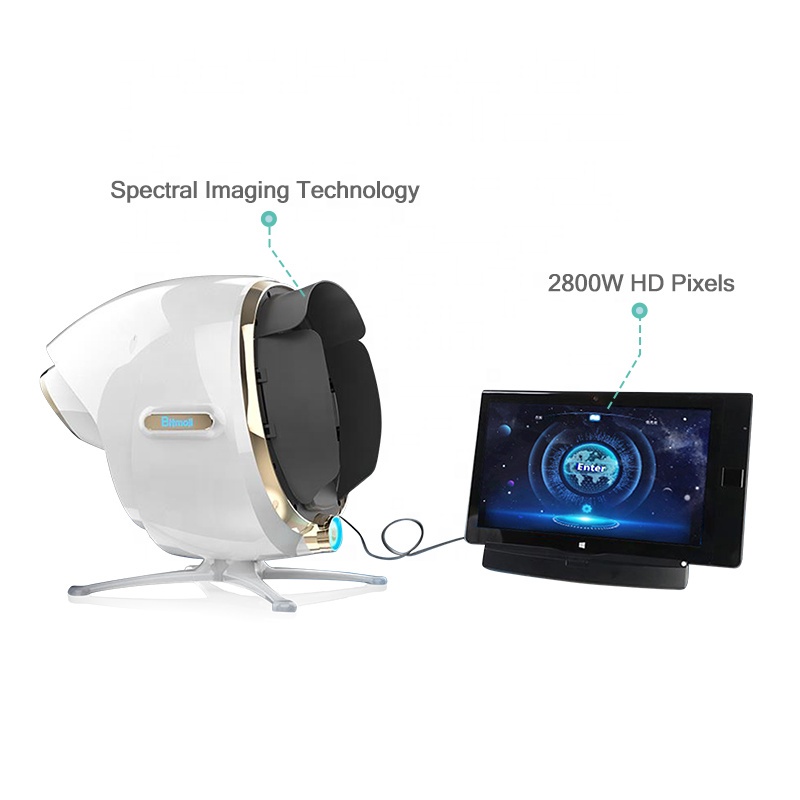
Why a Skin Analyzer Pays for Itself
A 3D AI skin analyzer is less a treatment device and more a sales engine. By showing clients their skin in UV, polarized, and 3D imaging, you turn a vague “my skin feels dull” into a visible, data-backed treatment plan — and a higher close rate.
How It Works
The device captures multi-spectral images (surface, UV, cross-polarized) and an AI model scores hydration, wrinkles, pores, pigmentation, redness, and sebum. A printed or on-screen report becomes the basis for recommending your devices and products.
Key Features to Compare
- Imaging modes: RGB, UV, polarized, 3D — more modes = richer report
- AI scoring: consistent, explainable metrics across visits (track progress)
- Report branding: white-label with your clinic logo
- Database: client history for retention and before/after proof
- Portability: handheld vs desktop depending on space
What to Check Before Buying
- CE / ISO 13485 certification
- Software language & update policy
- Training and warranty (12 months)
- Integration with your CRM or at least exportable reports
Frequently Asked Questions
Does it actually improve sales?
Clinics routinely report higher consultation-to-treatment conversion because clients “see” the problem. It is one of the highest-ROI clinic additions.
Is the AI accurate?
Modern analyzers are consistent for tracking change over time; treat scores as guidance, not diagnosis.
Handheld or desktop?
Desktop gives richer imaging for a fixed consultation room; handheld suits mobile or space-tight setups.
Bring this treatment to your clinic
SMIO supplies CE / ISO 13485 certified aesthetic devices with OEM, worldwide shipping and a 12-month warranty. Browse the full catalog →